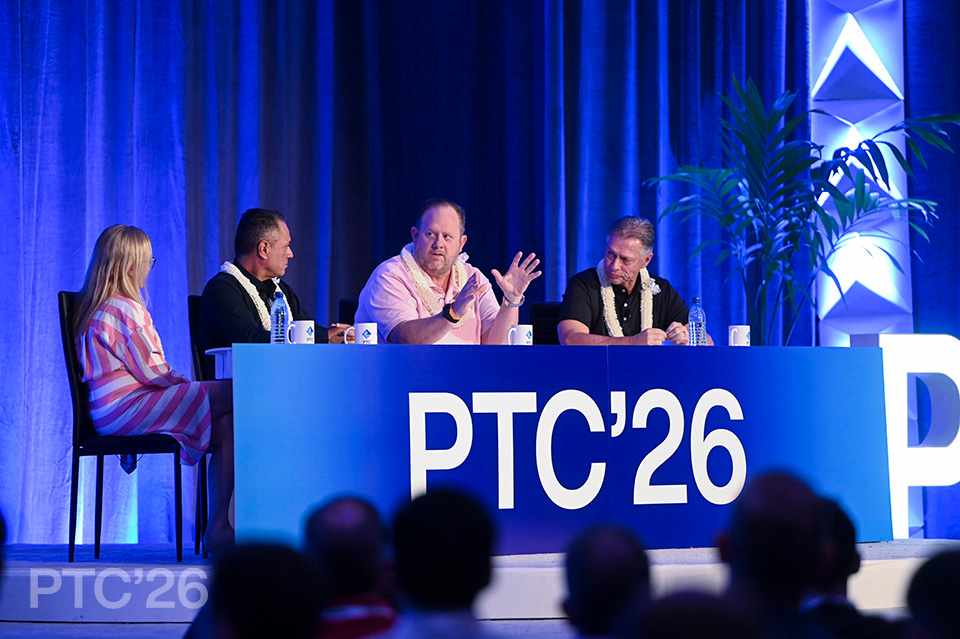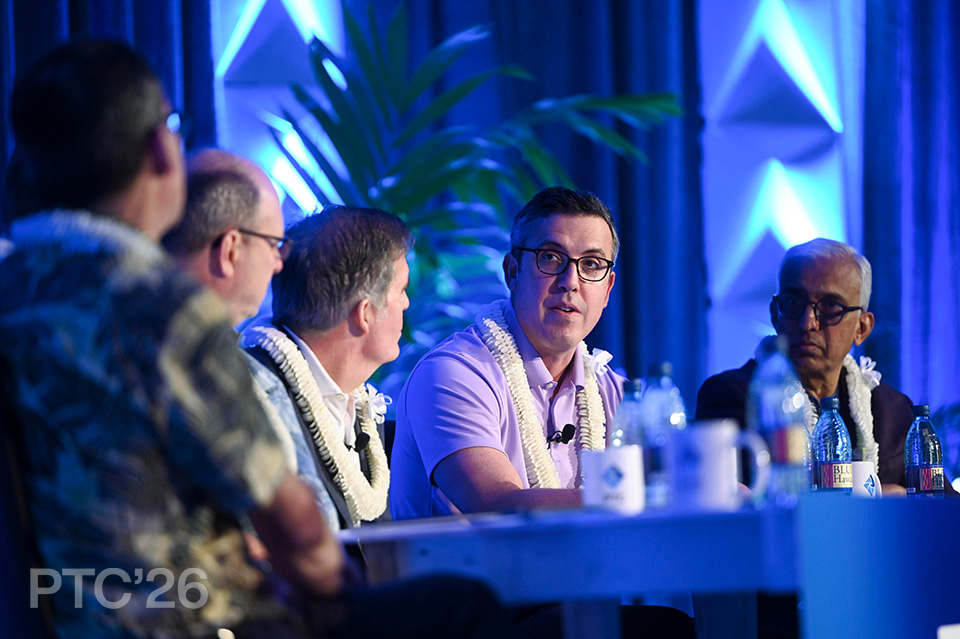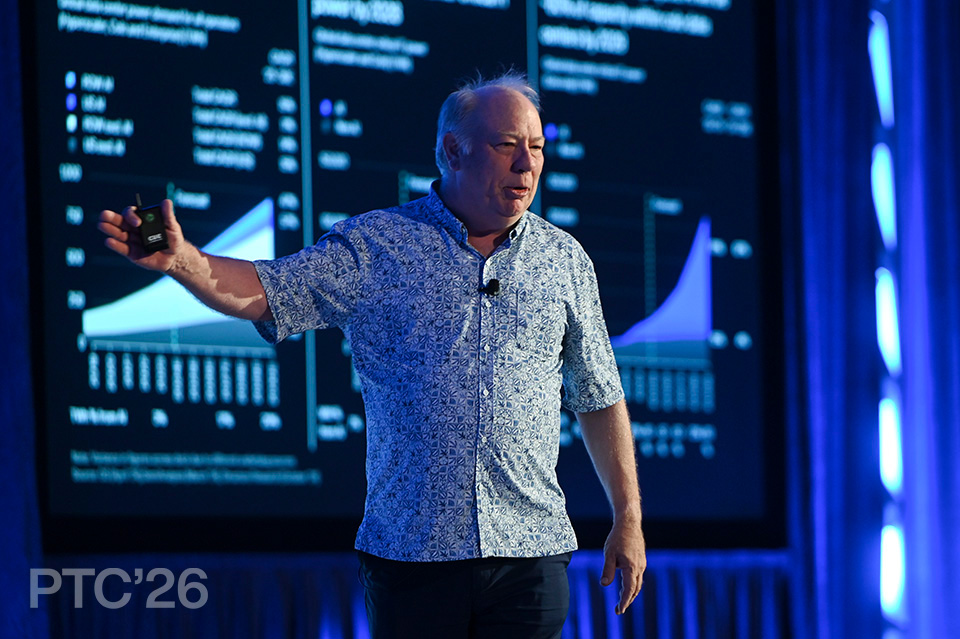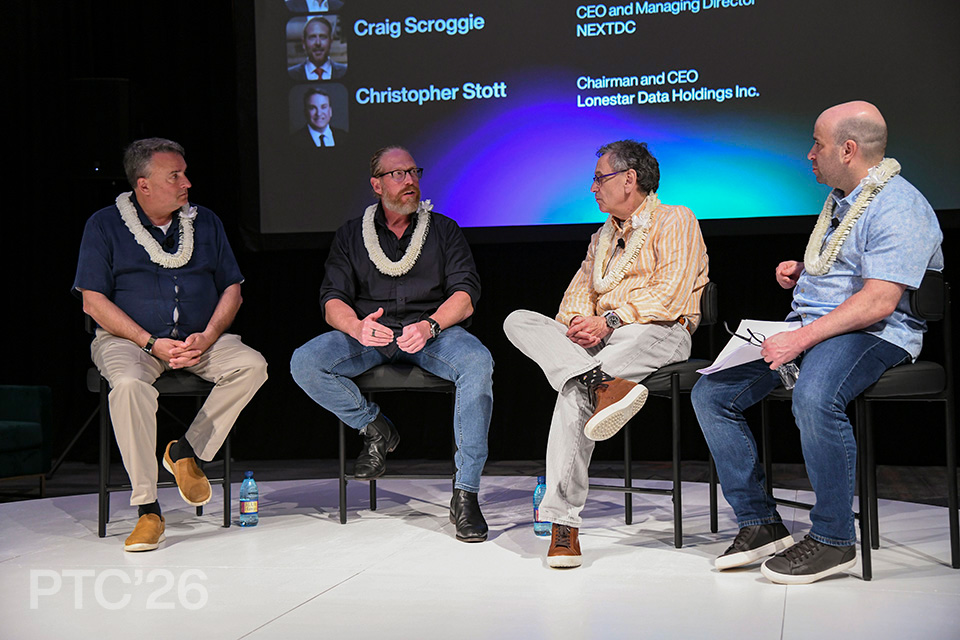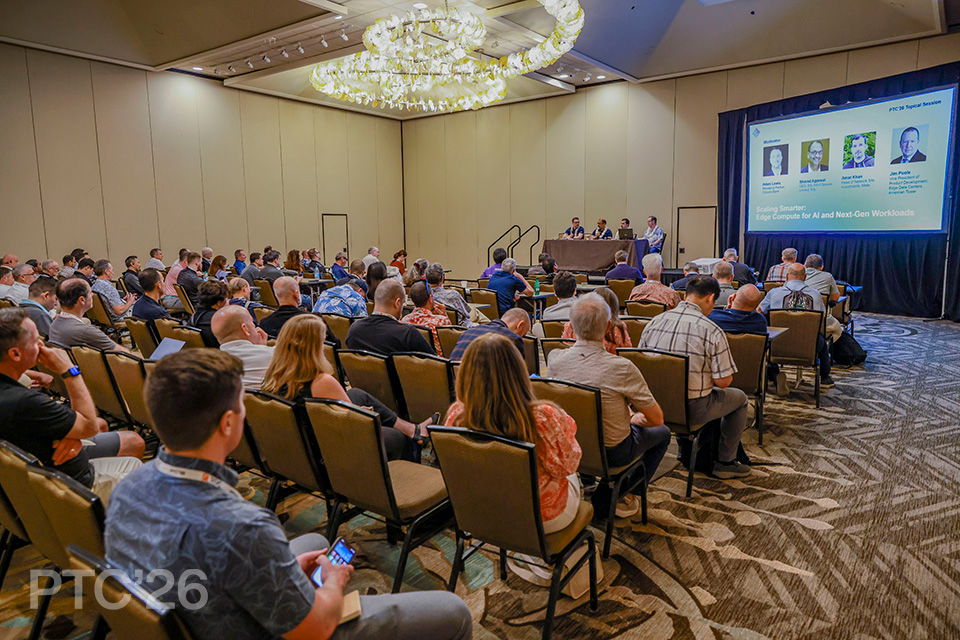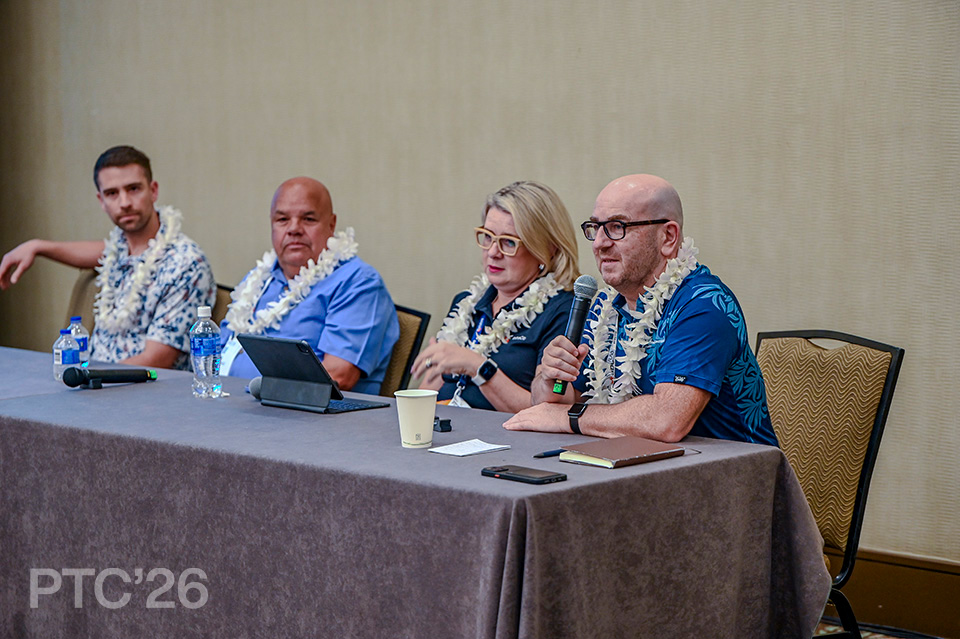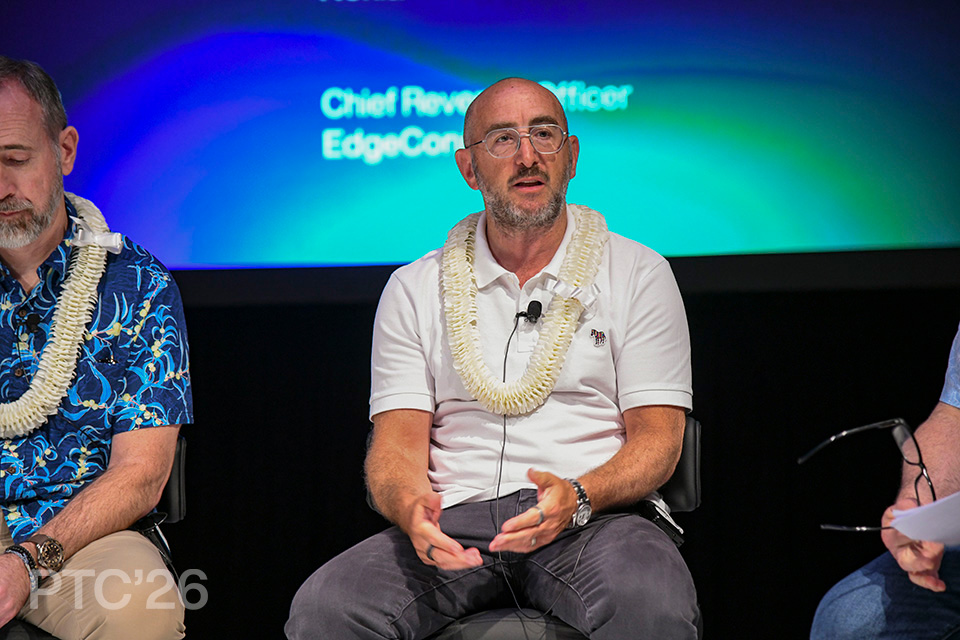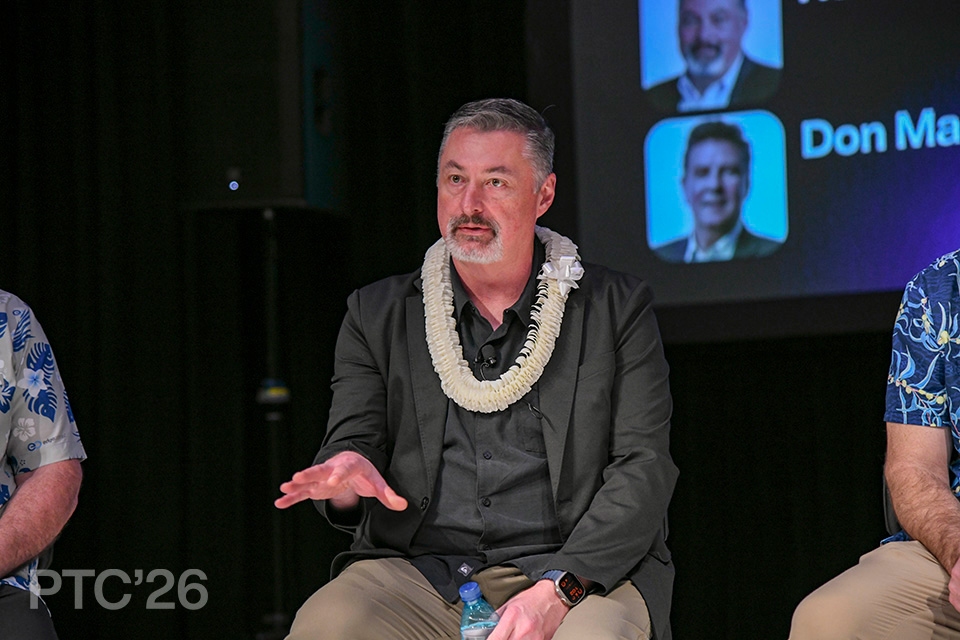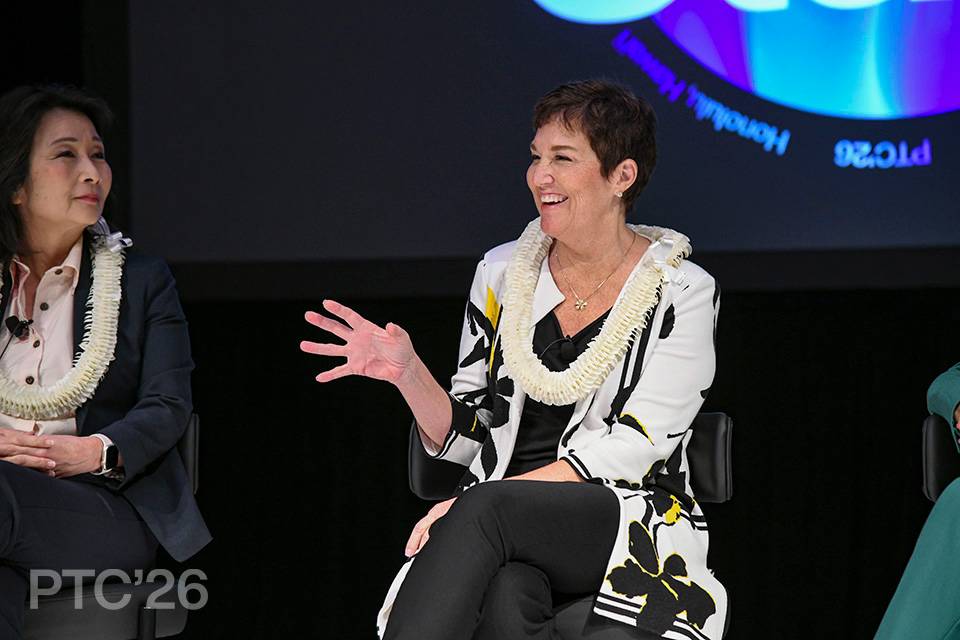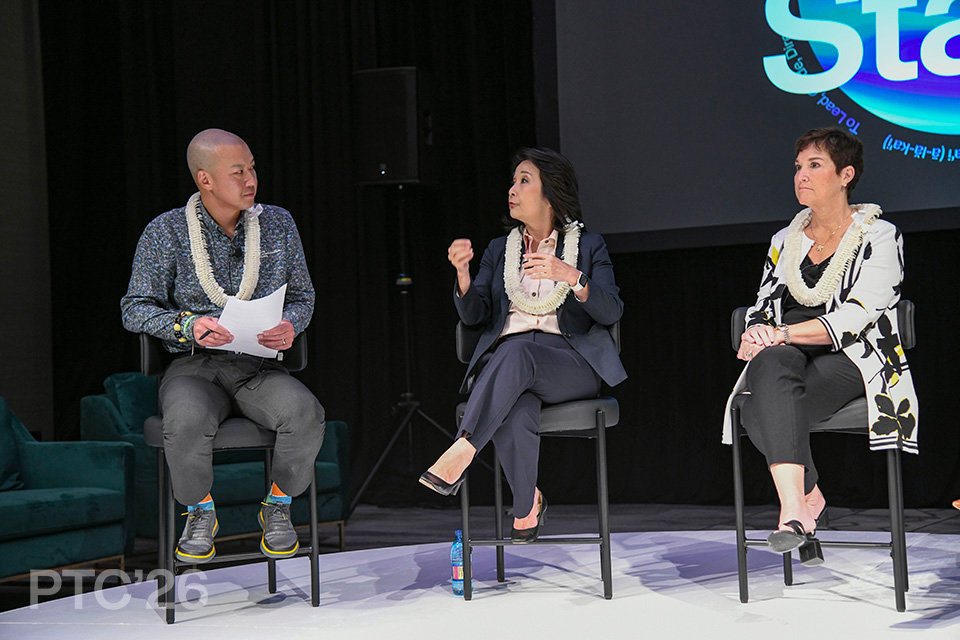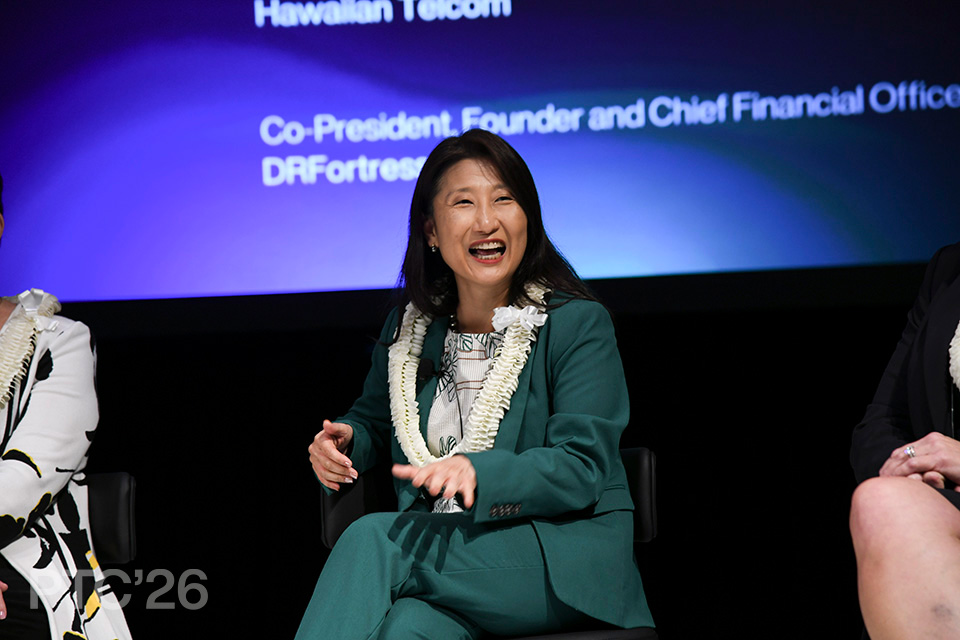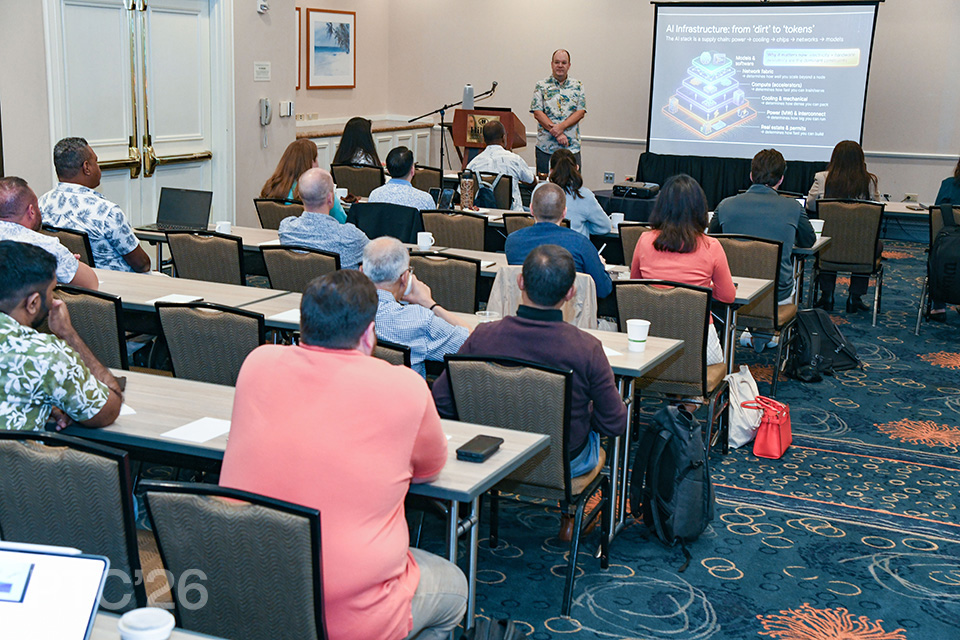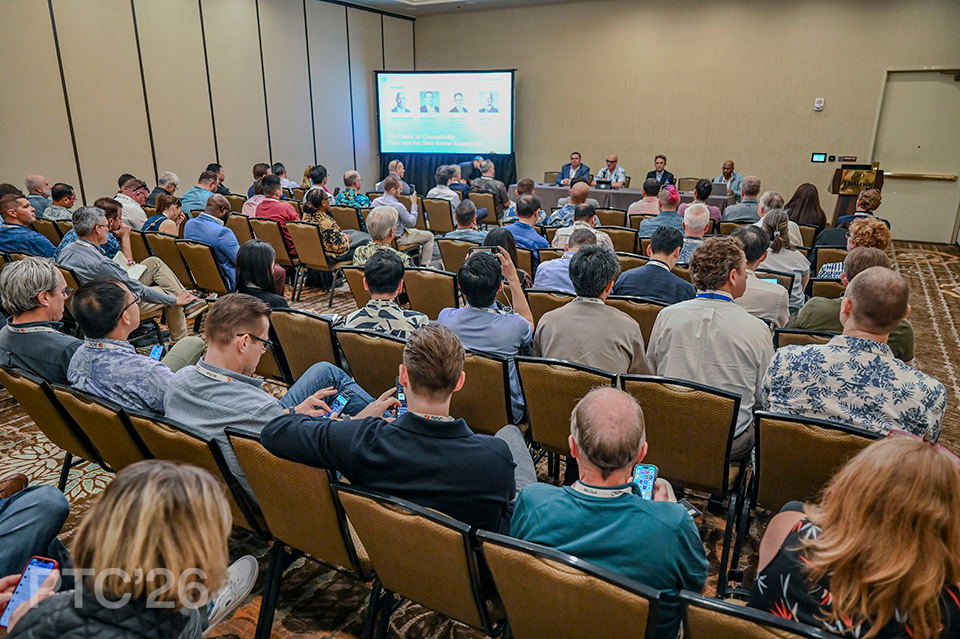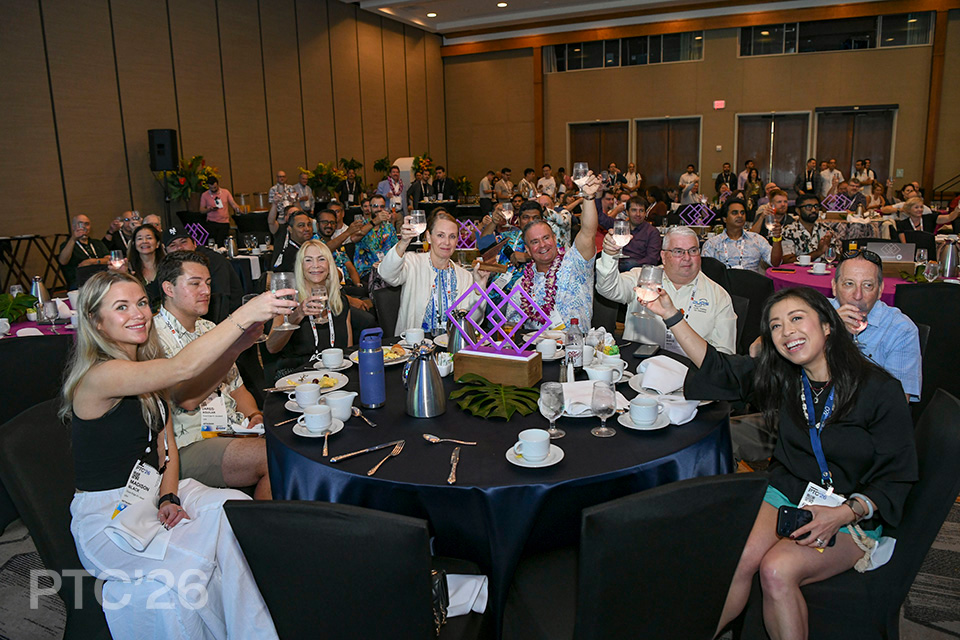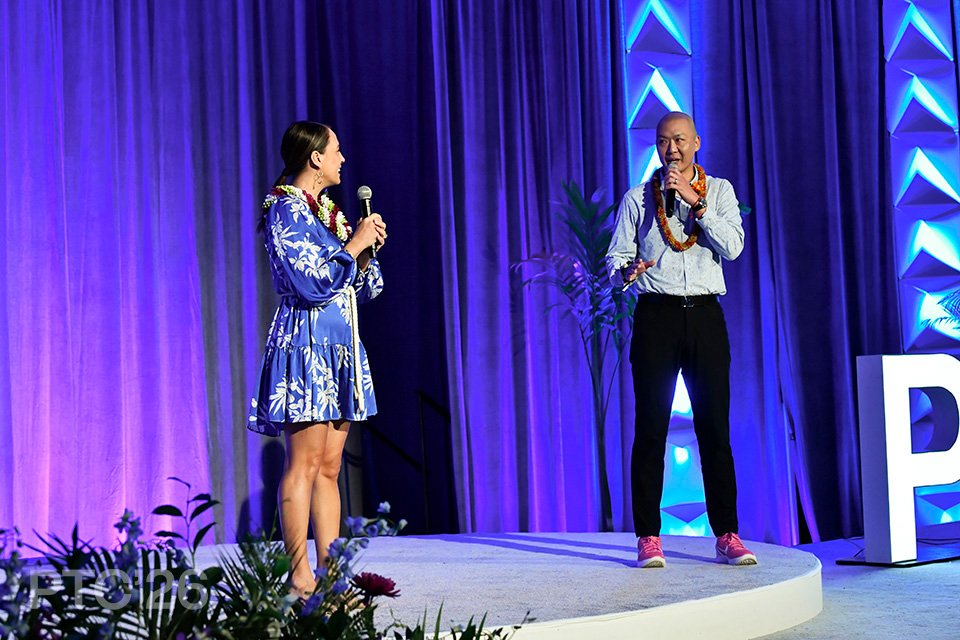

PTC’26 brought the global digital infrastructure community back to Honolulu at a moment when the industry is being reshaped by artificial intelligence, unprecedented demand for compute, and the rapid evolution of global networks. The 48th annual conference, held January 18–21, 2026, provided a timely forum for leaders in the industry to compare perspectives, share practical experience, and examine how digital infrastructure must evolve in the AI era.
More than a traditional industry gathering, PTC’26 reflected a broader shift in how infrastructure is planned, built, and operated. Throughout the week, conversations emphasized that the next phase of growth will be defined not only by scale, but by intelligence –networks and facilities designed to support AI training, inference, and real‑time data movement at a global scale.
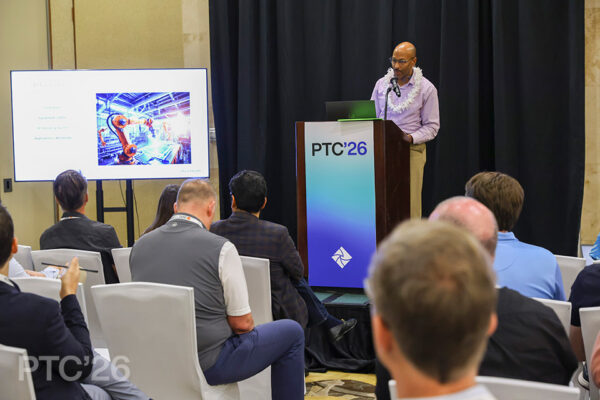
”“What became clear at PTC’26 is that digital infrastructure has entered a new phase,” said Bill Barney, immediate past Chair of PTC’s Board of Governors and Chairman of Asian Century Equity, who delivered the stage setting remarks on day one. “AI, inference, and global data flows are driving investment decisions that will shape networks and data centers for decades to come.”
”“PTC’26 reflected a turning point for our industry,” said Brian Moon, CEO of PTC. “As AI and inference reshape how infrastructure is built and deployed, the conversations in Honolulu reinforced the importance of collaboration, long term thinking, and global alignment.”
A Global Industry, Face to Face
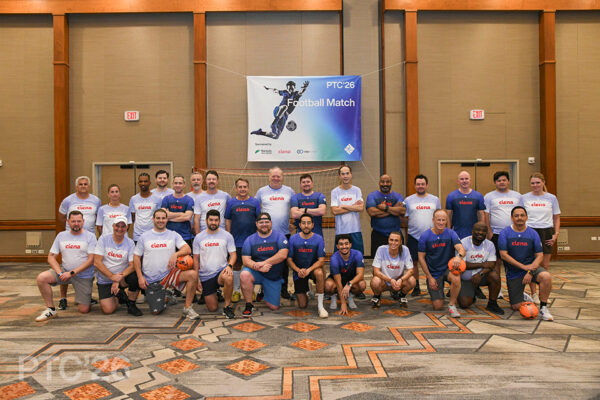
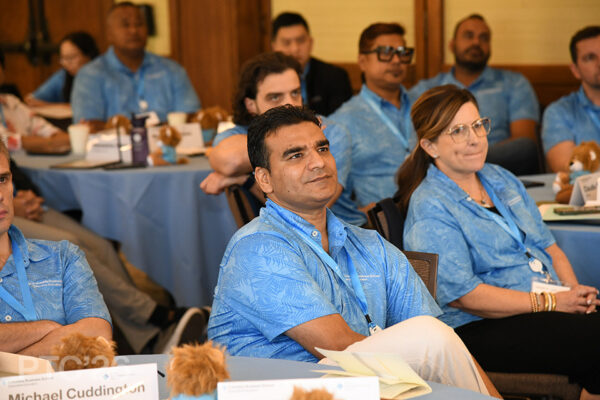
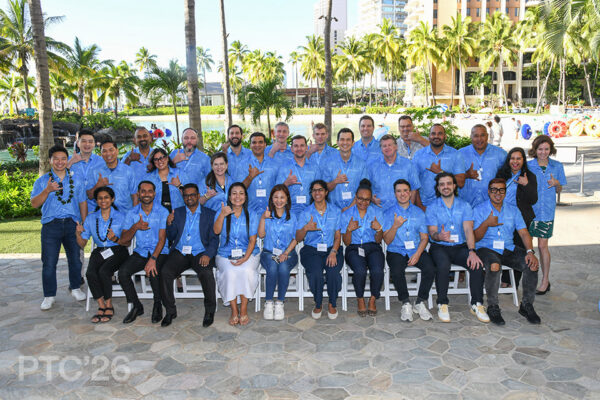
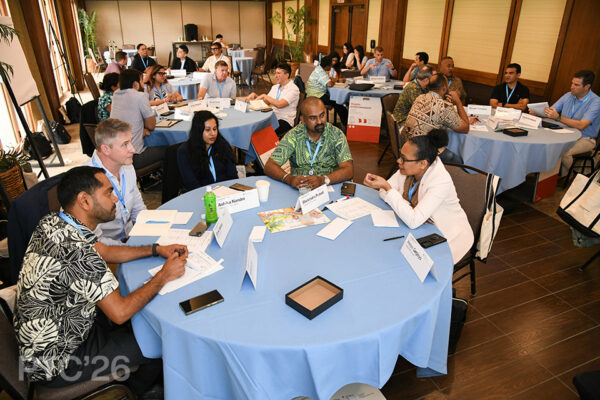
PTC’26 brought together senior executives, technologists, investors, policymakers, and researchers representing subsea cable systems, terrestrial networks, data centers, hyperscalers, cloud platforms, and the broader digital infrastructure ecosystem. While the industry itself is inherently global, the value of being together in one place was evident throughout the week.
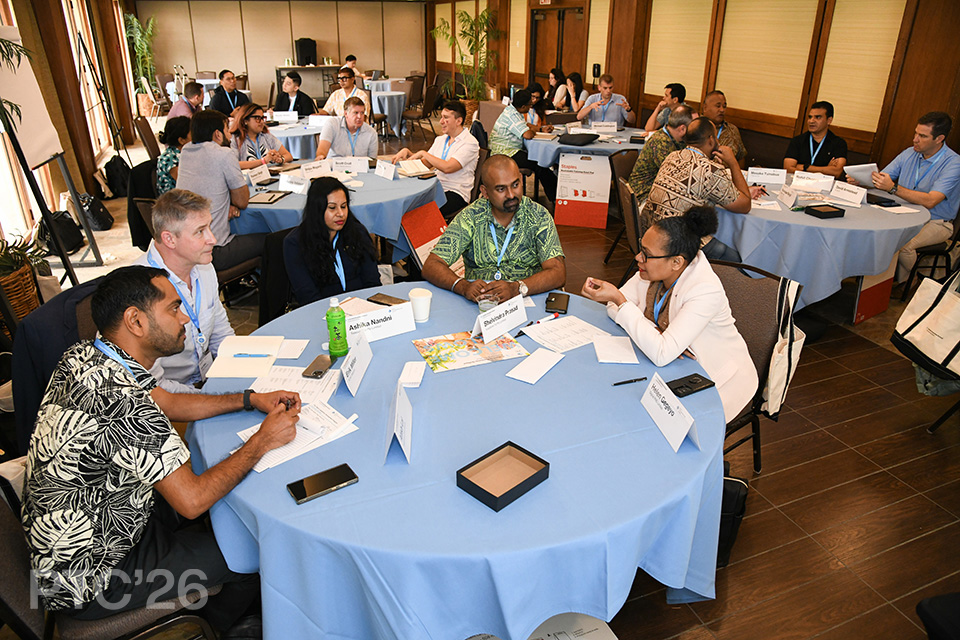
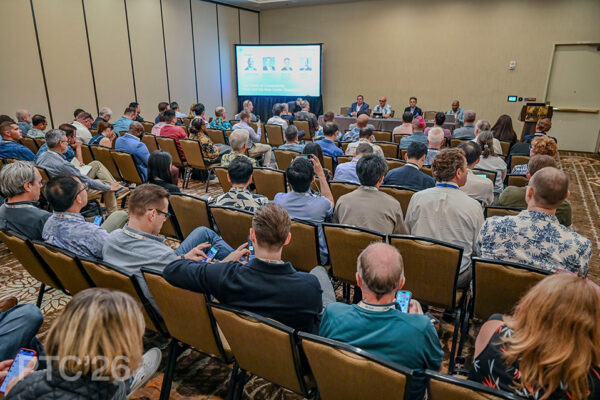
Across formal sessions and informal meetings, participants engaged in candid discussions about capacity planning, capital investment, regional development, and the operational realities of building infrastructure at unprecedented speed.
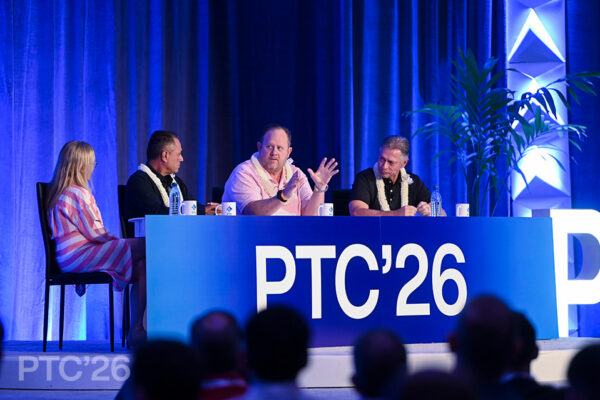
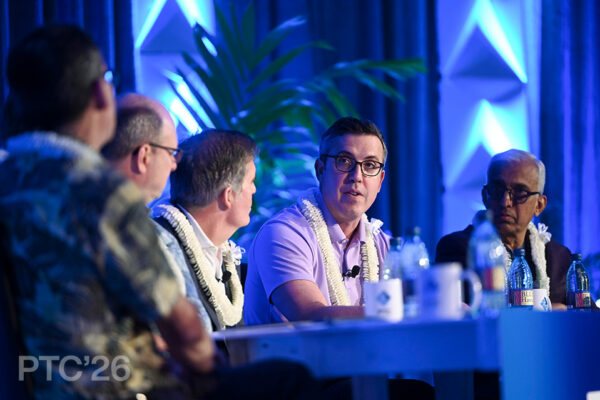
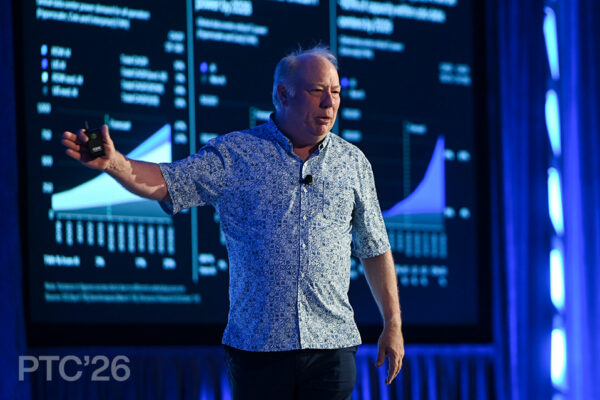
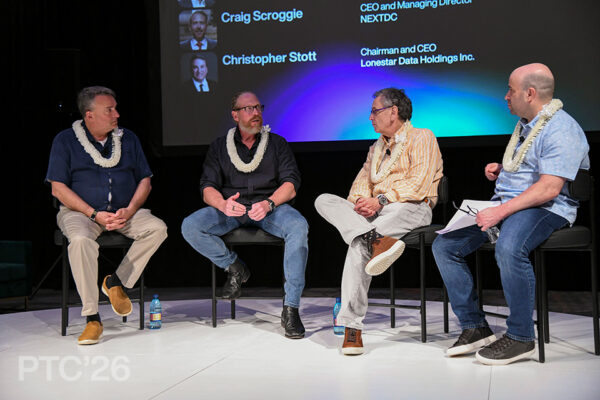
Infrastructure in the Age of AI and Inference
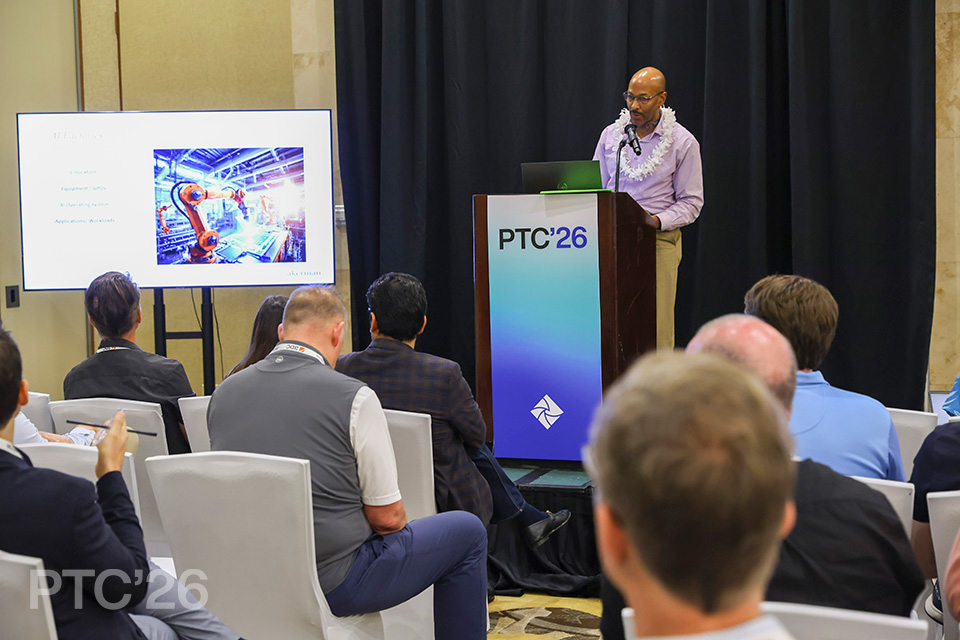
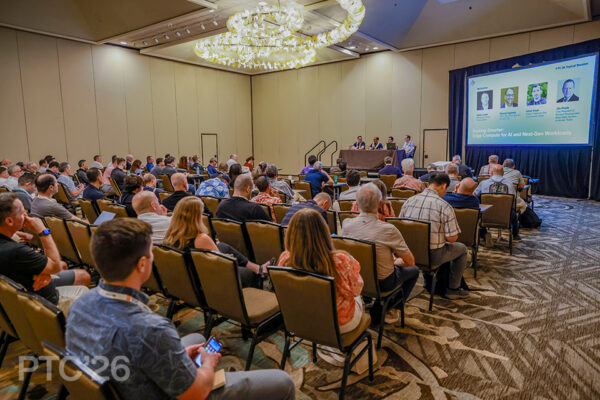
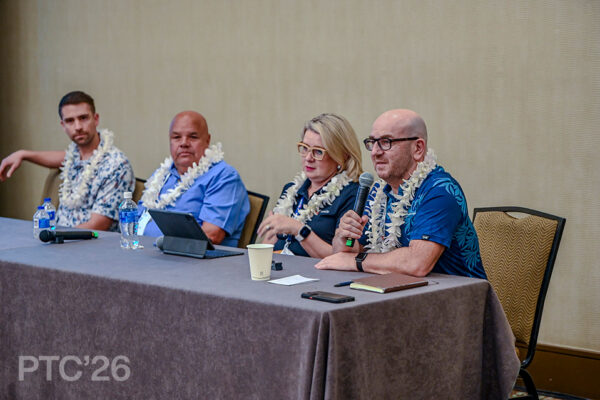
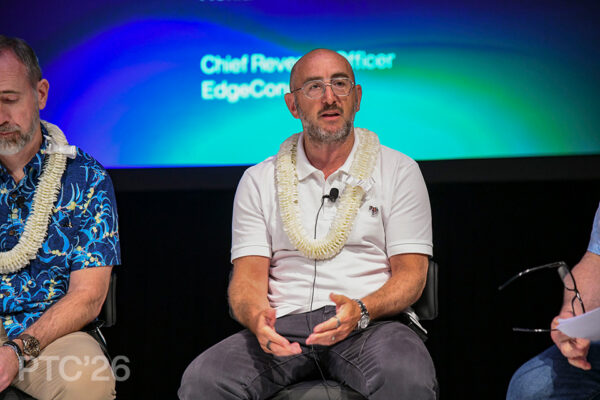
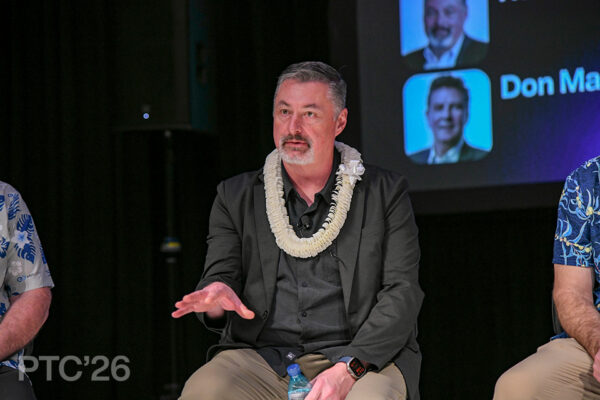
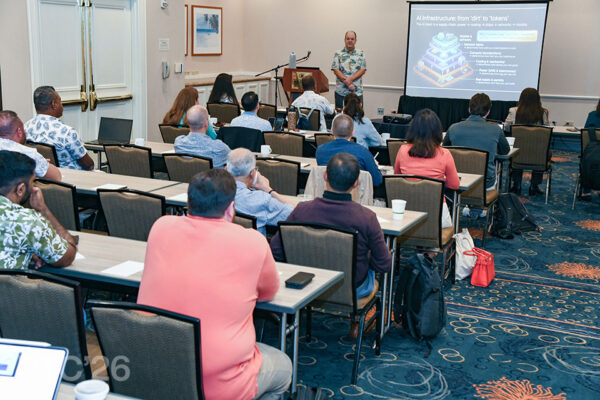
AI was not discussed as a future concept at PTC’26, but as a present day driver of infrastructure decisions. Speakers and panelists explored how AI workloads—particularly inference, which increasingly occurs closer to users and applications—are changing long held assumptions around latency, network architecture, and data center design. Discussions highlighted the growing importance of distributed infrastructure, where compute, storage, and connectivity must operate seamlessly across regions. From subsea systems linking continents to edge facilities enabling real time inference, PTC’26 made clear that the physical and digital layers of infrastructure are becoming more tightly integrated than ever before.
The Pacific Rim’s Central Role
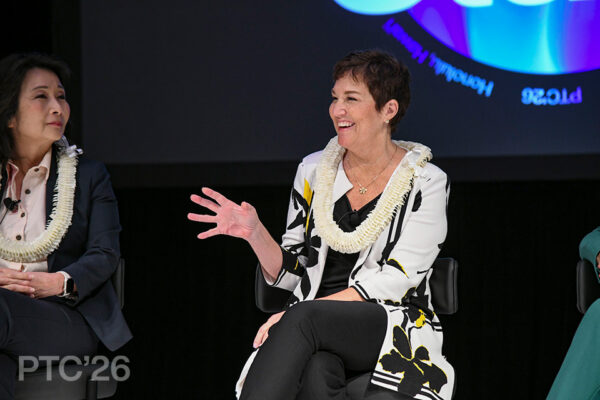
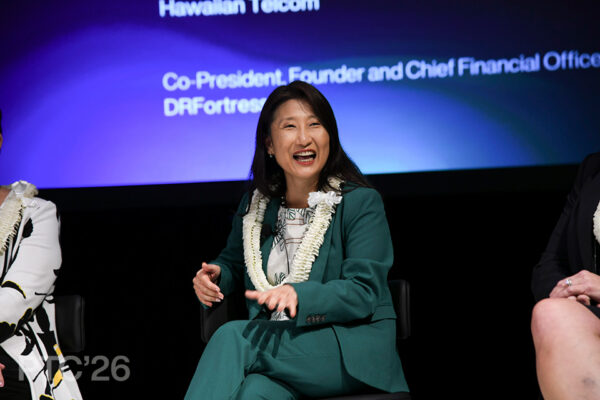
The Pacific Rim featured prominently throughout the program as a critical hub for global data flows, innovation, and economic growth. As traffic between Asia, the Americas, and other regions continues to accelerate, the need for resilient, high capacity infrastructure across the Pacific has become increasingly urgent. PTC’26 reinforced the idea that while infrastructure is built locally, it must be planned with a global perspective. Speakers emphasized the importance of cross border collaboration, long term investment strategies, and alignment between public and private sector stakeholders to support sustainable development across diverse markets.


Resilience, Sustainability, and Long Term Thinking
Beyond capacity and performance, PTC’26 placed strong emphasis on resilience and sustainability. From energy sourcing and efficiency to network diversity and operational risk, discussions reflected a growing recognition that infrastructure must be designed to endure—technically, economically, and environmentally. Rather than viewing sustainability as a constraint, many speakers framed it as a foundation for long term value creation. This perspective resonated across sectors, particularly as AI workloads drive higher power density, increased cooling requirements, and more complex operational demands.
Where Business Gets Done
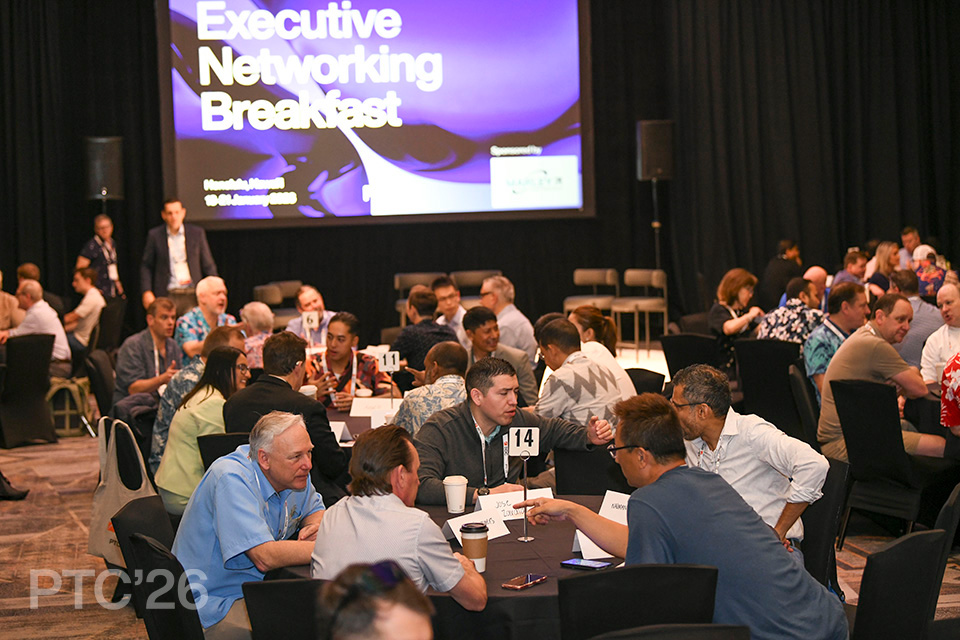
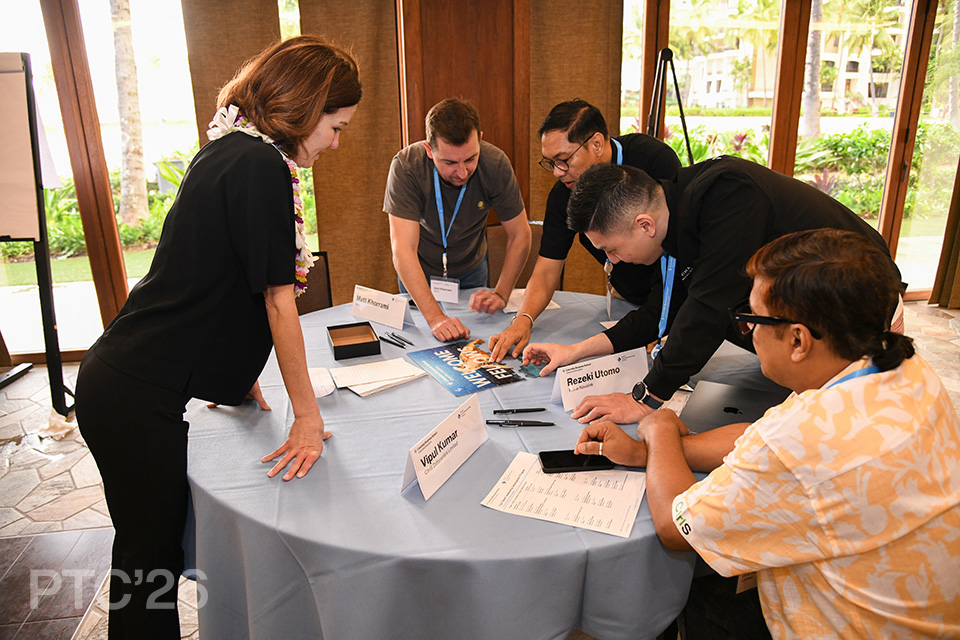
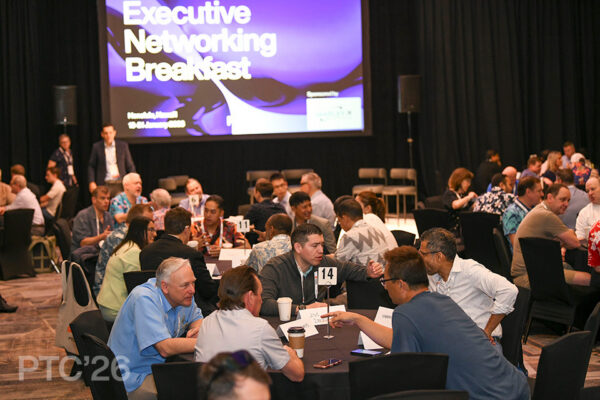
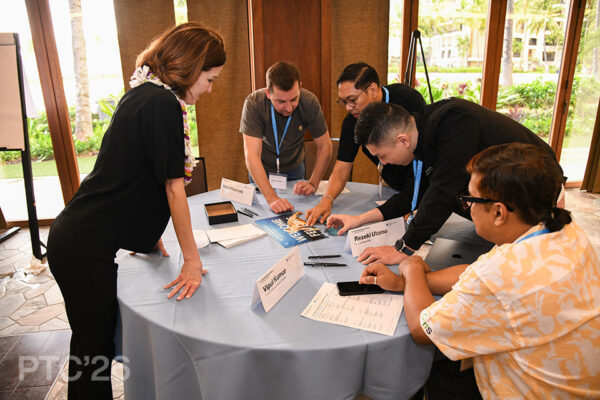
While the conference program set the agenda, much of PTC’26’s impact occurred between sessions. The week was defined by meetings—both scheduled and spontaneous—where partnerships were explored, deals were advanced, and long term strategies took shape. PTC’26 industry news and announcements: https://www.ptc.org/media-center/
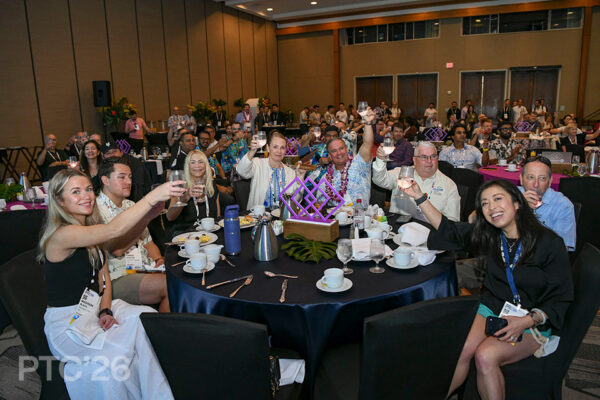
For first time attendees, PTC’26 offered an introduction to a deeply interconnected global community. For returning participants, it provided an opportunity to reconnect, reassess priorities, and build on relationships developed over years of collaboration. This continuity remains one of PTC’s defining strengths.










Recognizing Leadership and Building the Pipeline
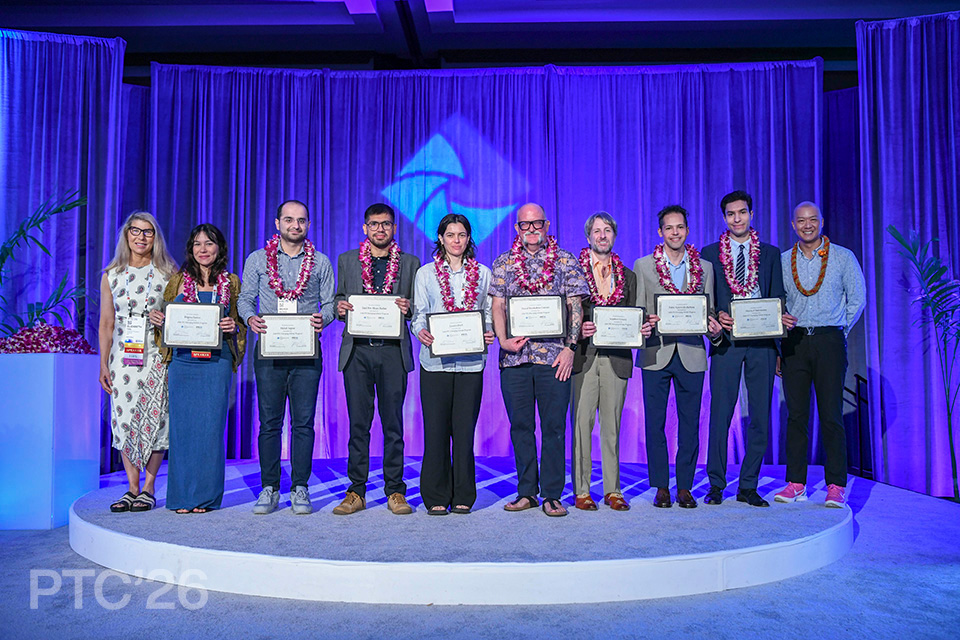
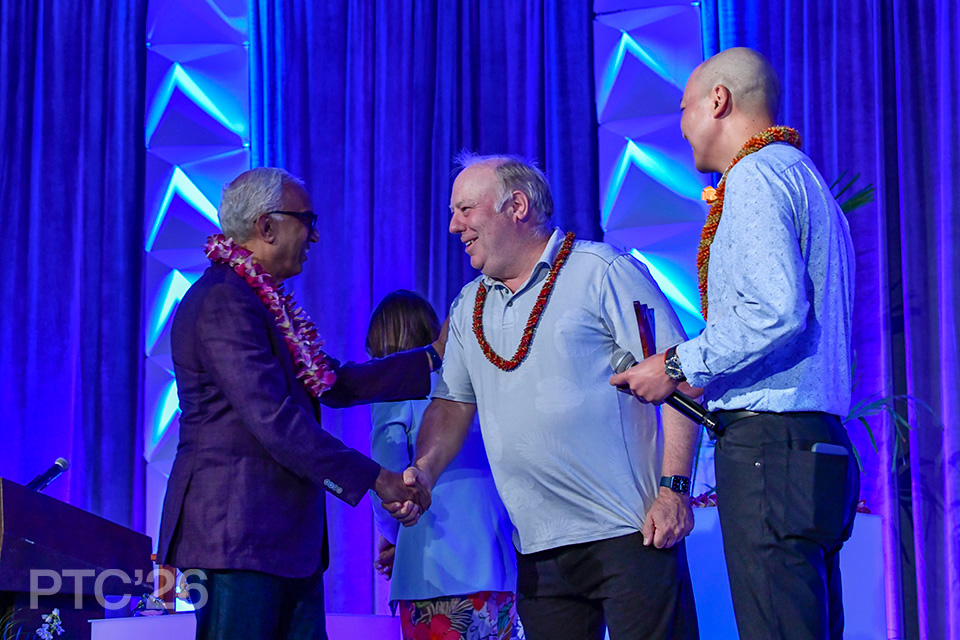
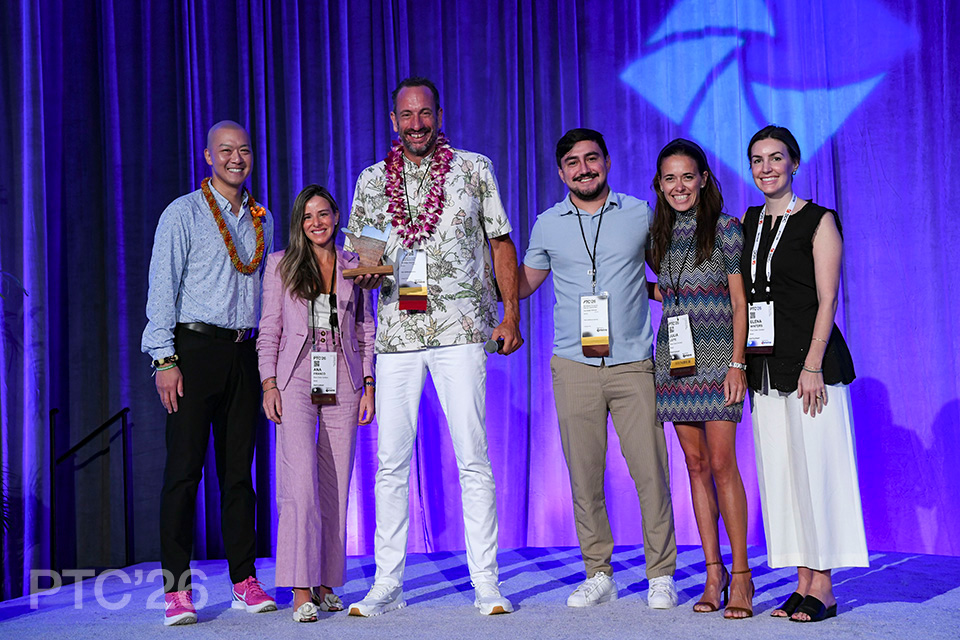
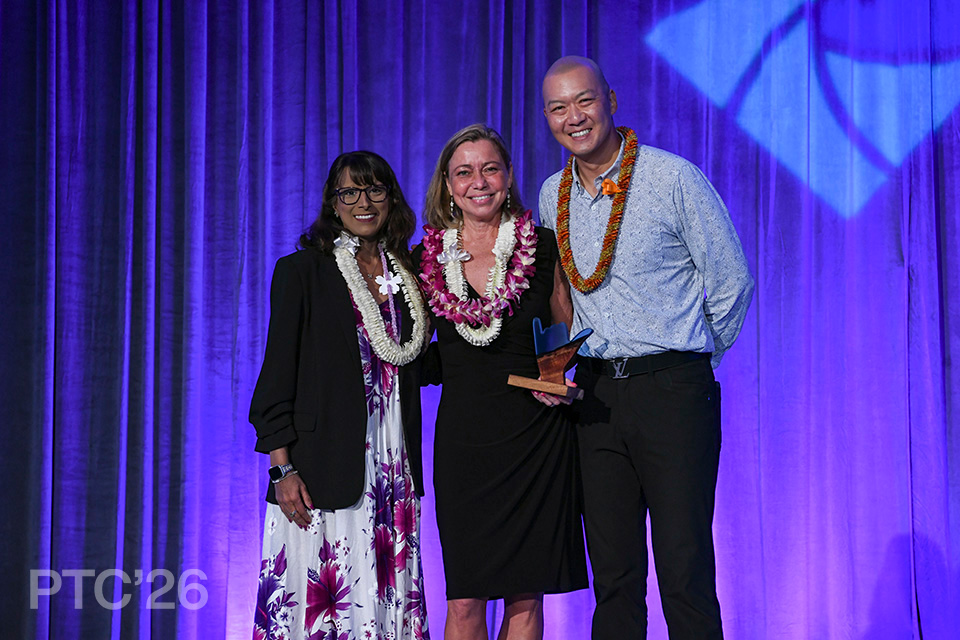
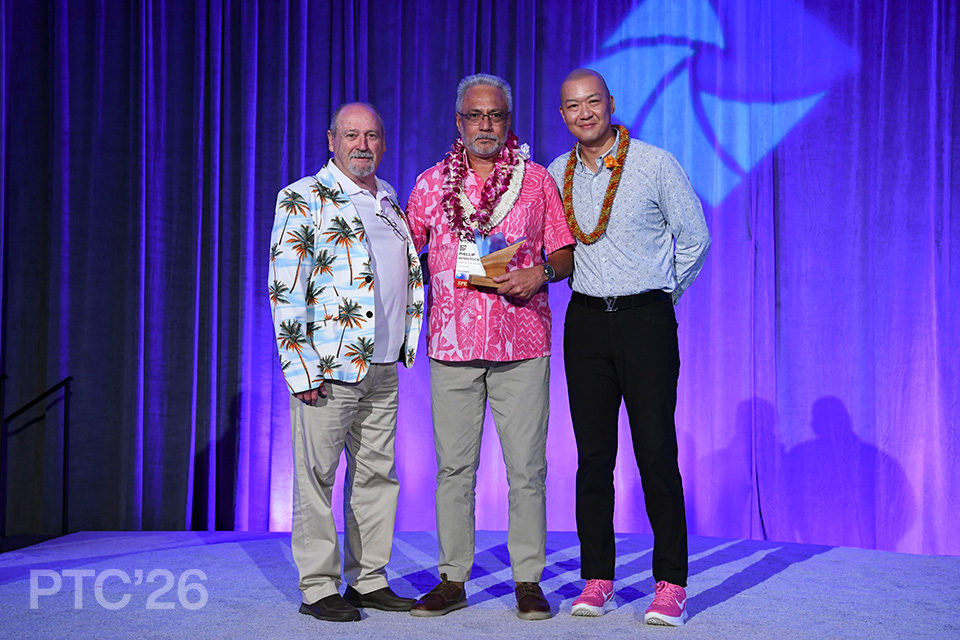
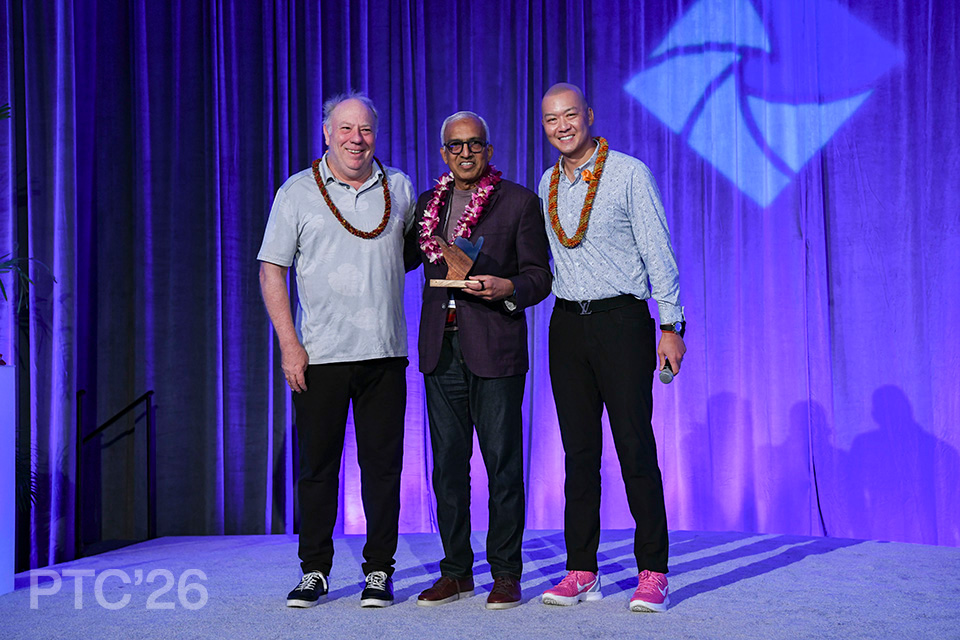
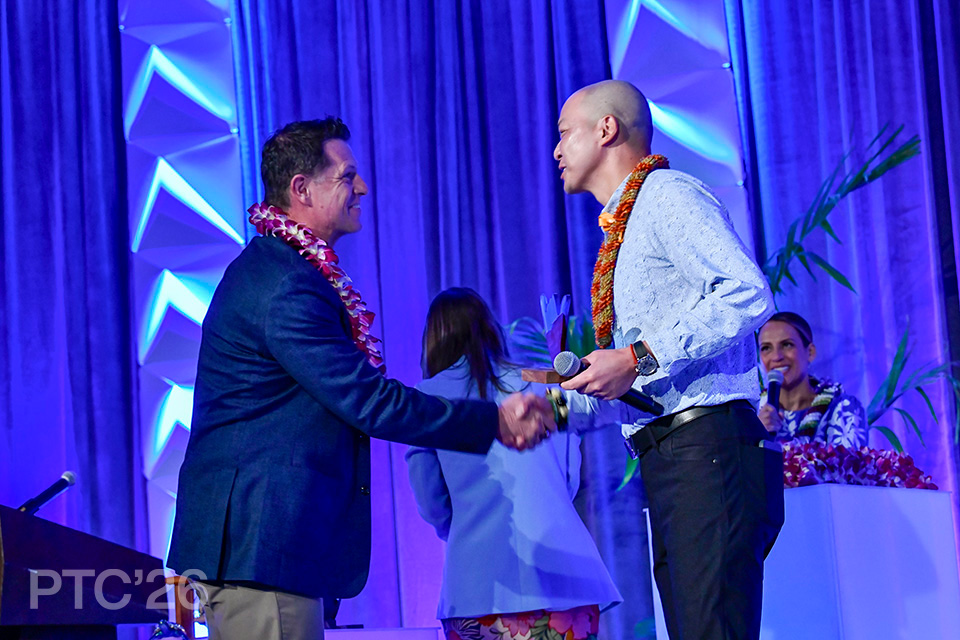
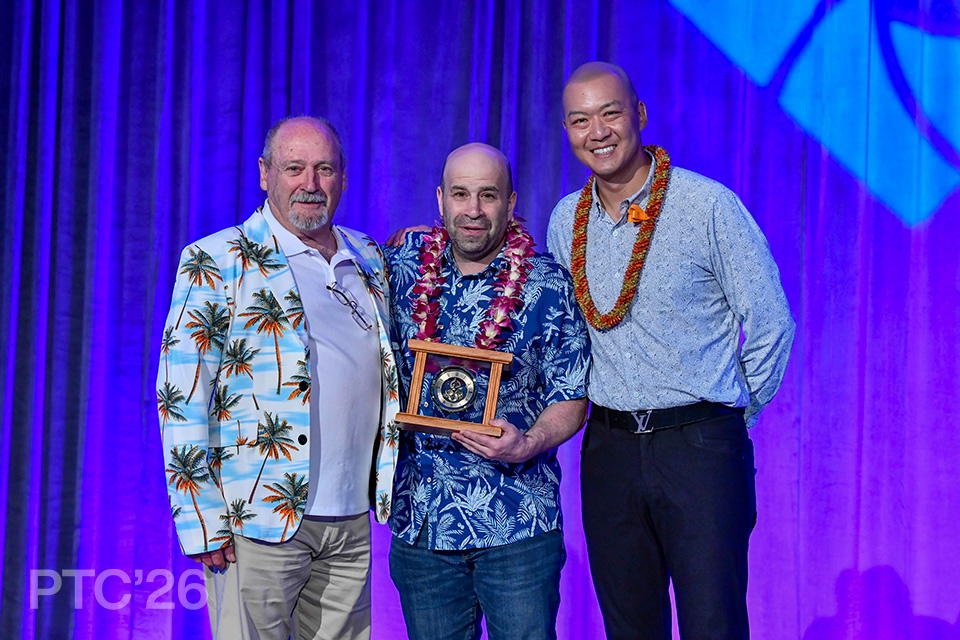
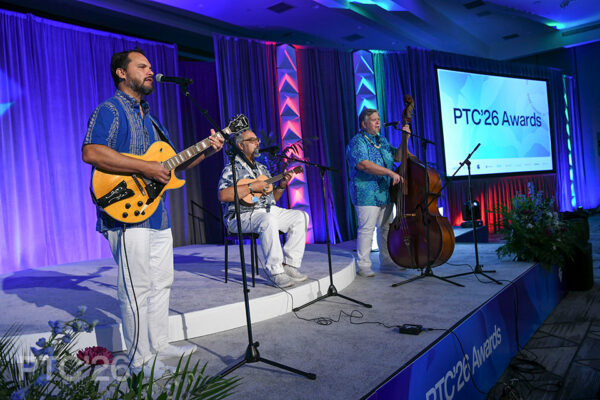
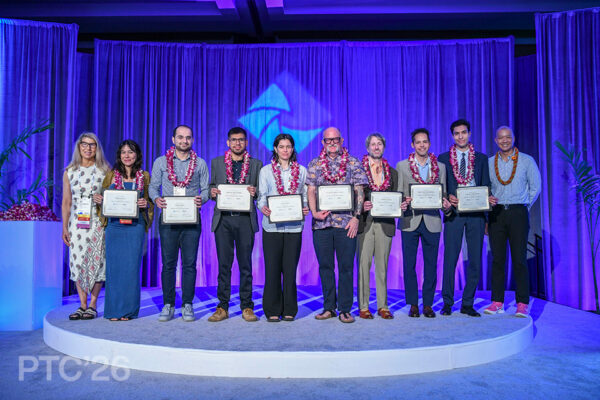
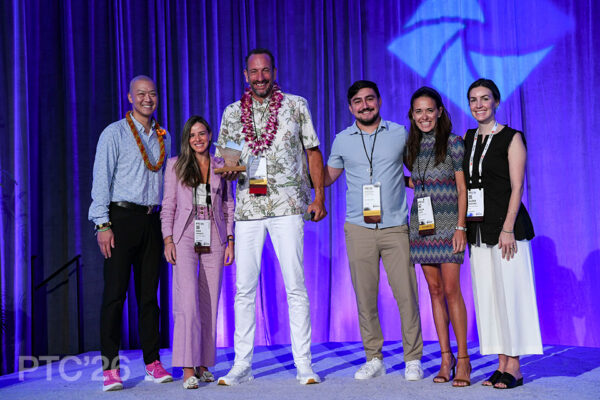
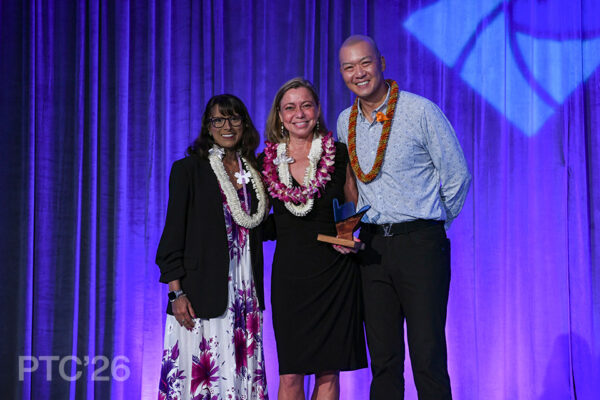
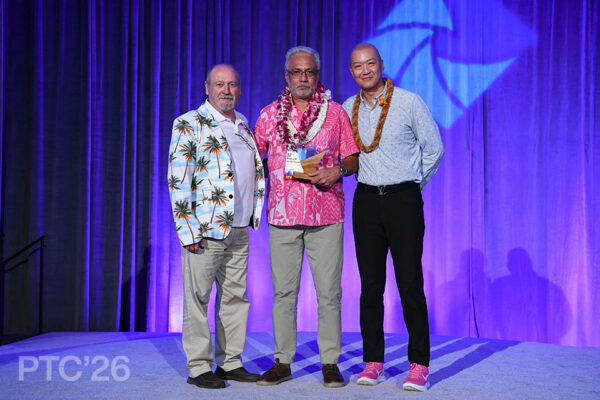
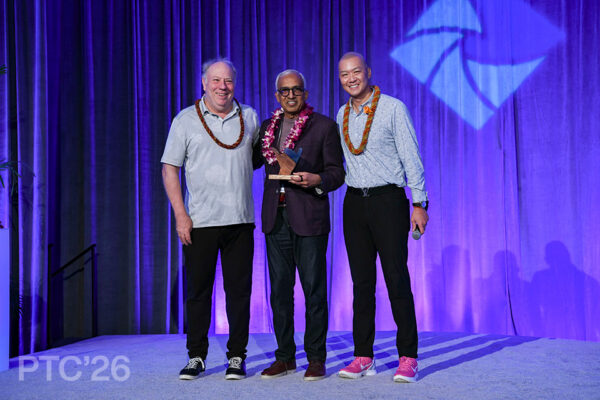
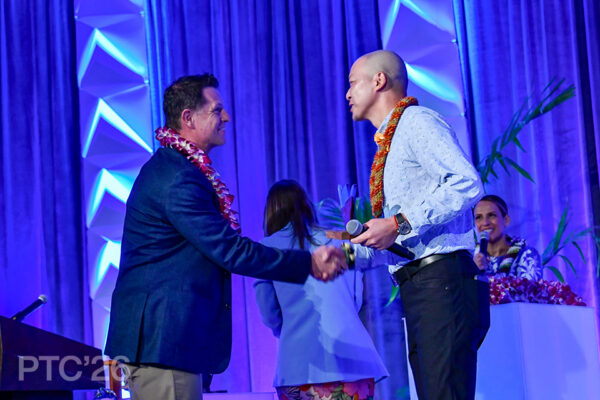
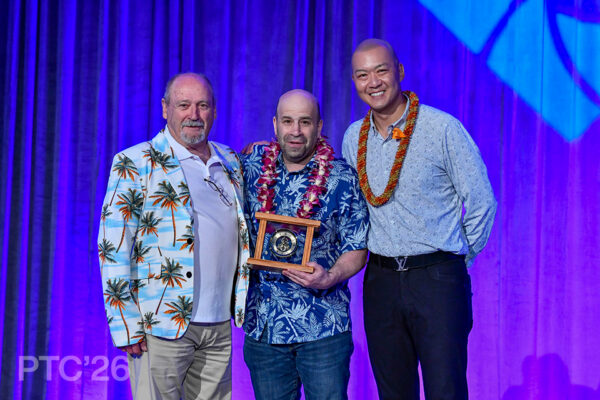
PTC’26 also celebrated excellence across the digital infrastructure ecosystem through awards and member recognition, highlighting organizations and individuals advancing the industry through innovation and leadership. PTC’26 Awards winners: https://www.ptc.org/ptc26/awards/
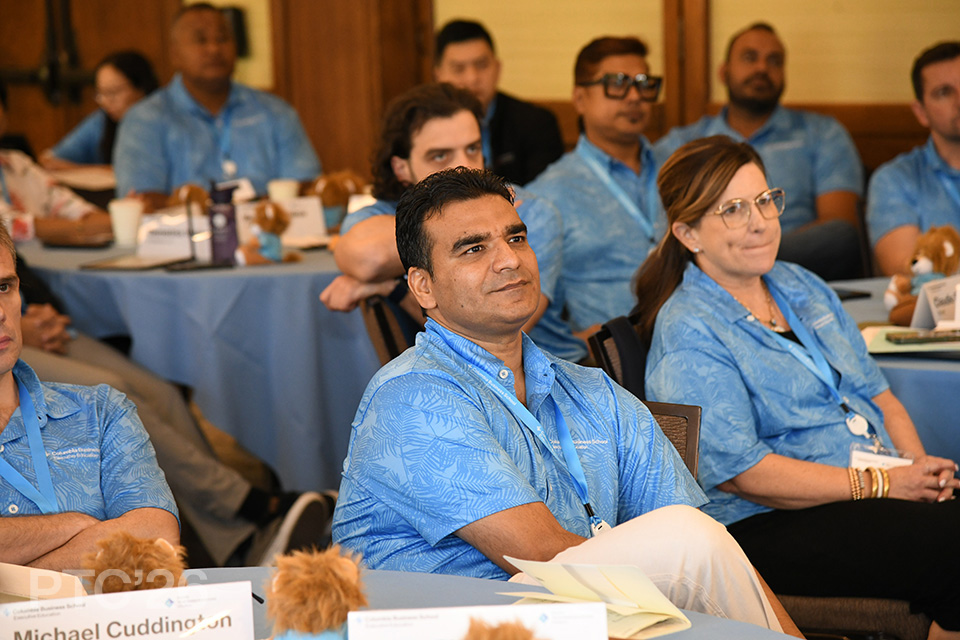
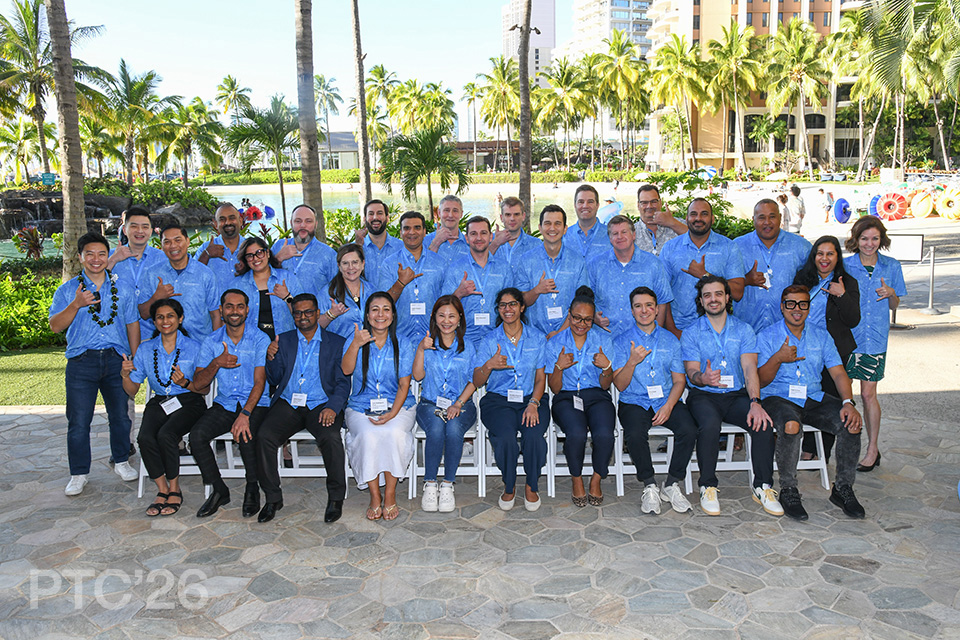
At the same time, PTC’s year round initiatives focused on leadership development, inclusion, and emerging talent were visible throughout the conference, including the second edition of the Top Talent Leadership Development Program in partnership with Columbia Business School. As the industry continues to expand in both scale and complexity, these programs play an increasingly important role in supporting the next generation of leaders.


What’s Next: PTC’DC and PTC’27
As PTC’26 concluded, attention quickly turned to what comes next. The conversations that began in Honolulu will continue throughout the year, including at PTC’DC, September 17-18, 2026. PTC’DC will offer another focused forum for continued discussion around policy, regulations, and industry and engagement ahead of the next annual conference. PTC’27 will return to Honolulu on January 17–20, 2027, building on the momentum generated at PTC’26 and PTC’DC. With AI driven demand, inference ready infrastructure, and global connectivity continuing to evolve at speed, the need for trusted forums where leaders can align on the future remains clear.
Check out related news

Connectbase Expands Connectivity Ecosystem in Southeast Asia Through Strategic Collaboration with Converge
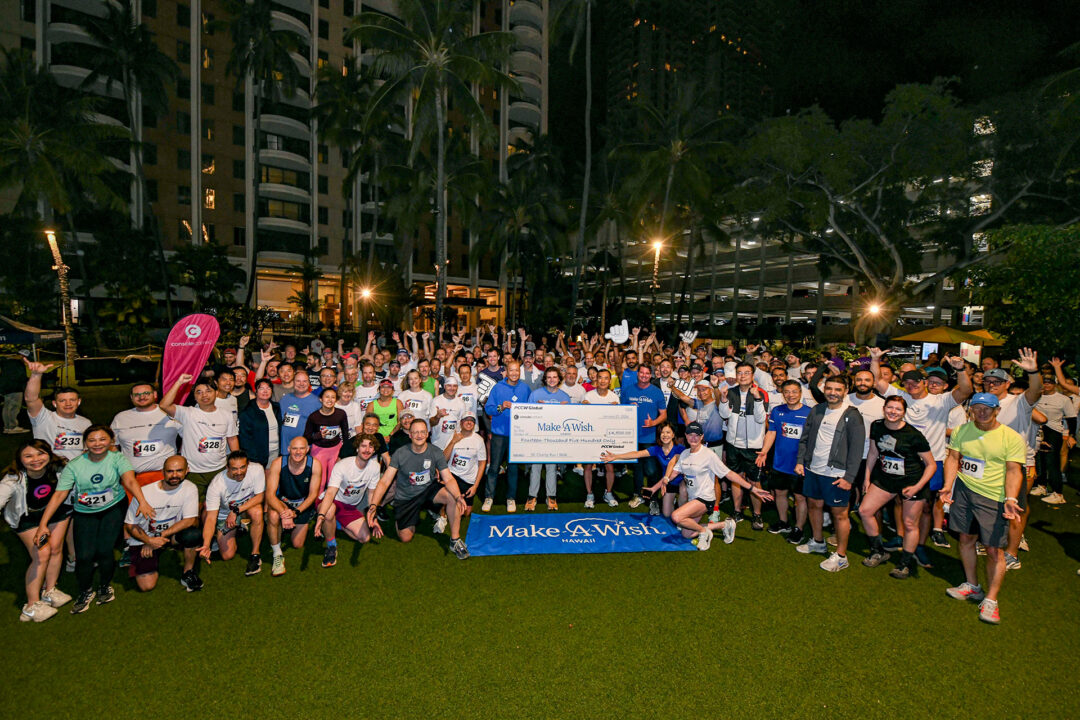
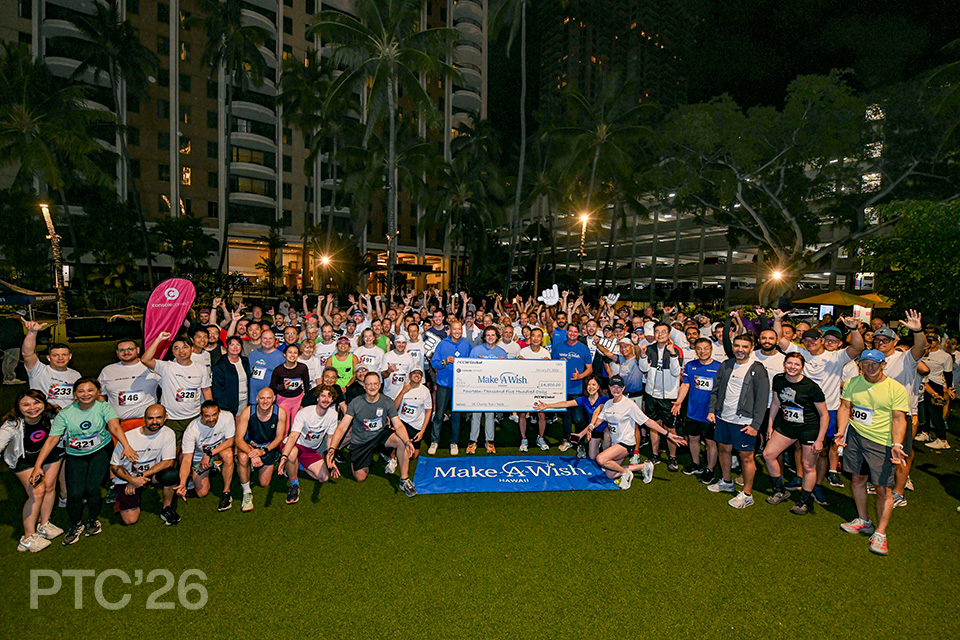
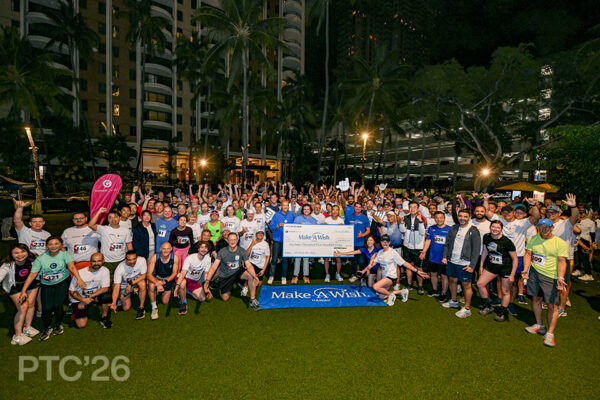
PTC’26 5K Raised a Record Amount in Support of Make-A-Wish Hawaii
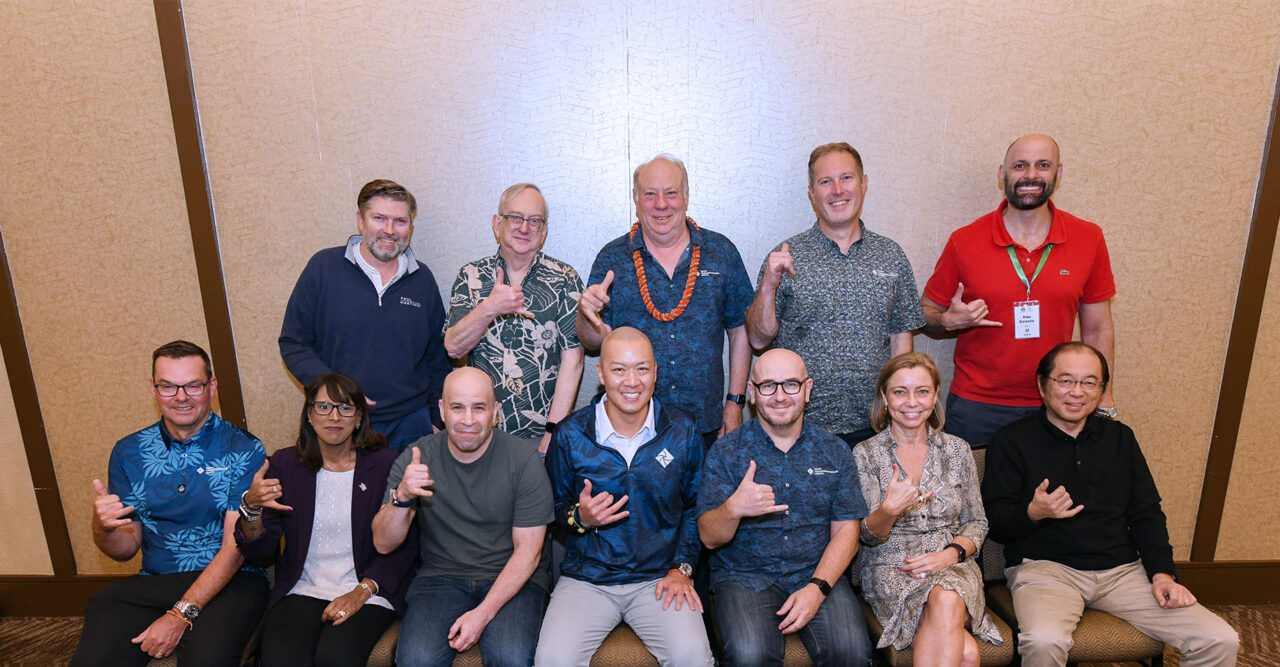
PTC Names 2026 Board of Governors and Advisory Council Officers
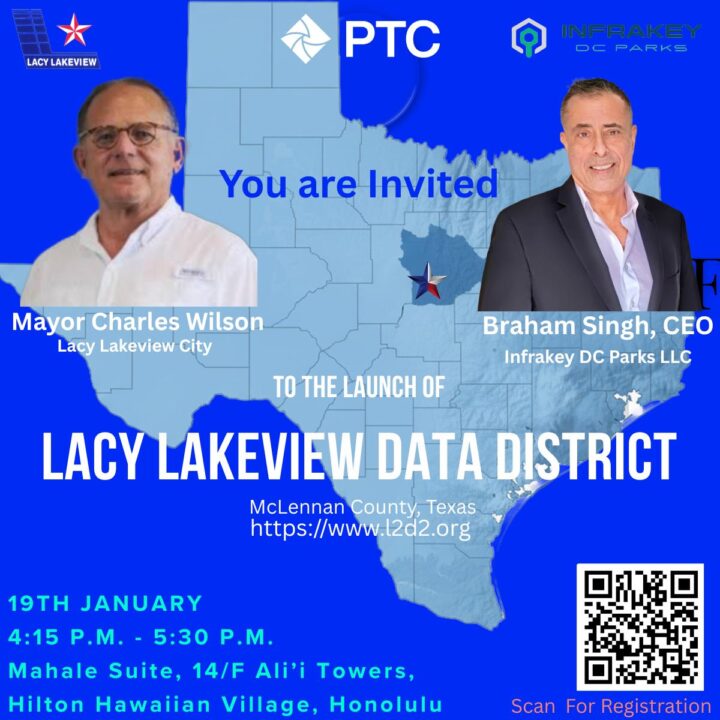
Infrakey DC Parks Partners with City of Lacy Lakeview to Launch 925MW Data Center District in McLennan County Texas