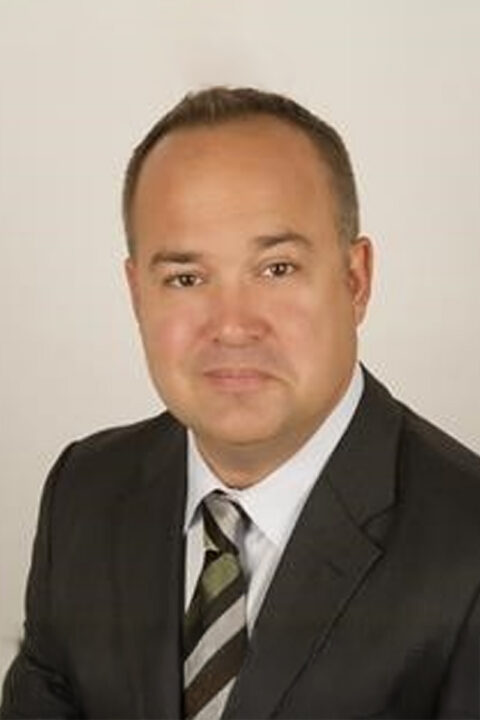
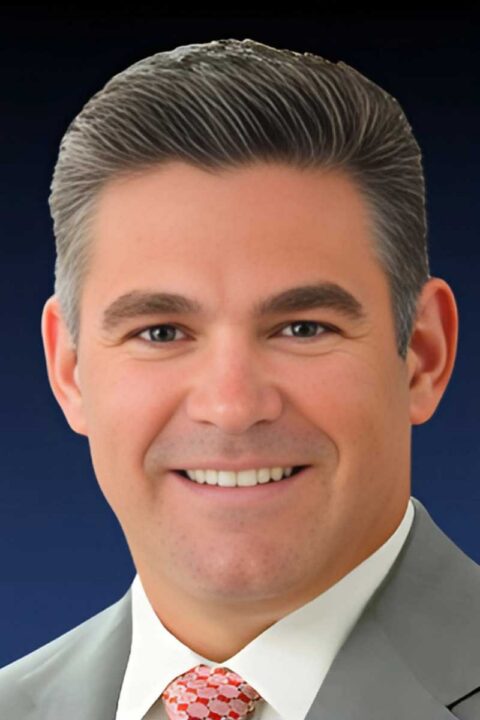
Trent Sendre

VP, US Data Centers

Trent is Vice President of U.S. Data Centers for Hitachi Energy Americas.
Trent joined Hitachi Energy in 2000 and has held a variety of leadership roles in operations, sales, and marketing. Prior to his current role, Trent served as Key Account Manager for Southern California Edison representing the power grids businesses which provides products and solutions across the value chain of generation, transmission and distribution serving utility, industry, transportation, and infrastructure customers. His experience includes involvement with investor owned and public power utility customers in large and complex projects.
Trent lives in San Diego, CA and is working with customers to address power system needs in areas such as transmission, renewable integration, asset management, grid modernization, and digitalization.
Trent holds a bachelor’s degree in business administration from Central Michigan University and an MBA from Davenport University.
How can telecommunications technologies help humanity?
TS: Telecommunications technologies help humanity by connecting people, systems, and essential services in ways that improve quality of life, economic opportunity, and resilience. From enabling remote healthcare and education to supporting disaster response, digital commerce, and global collaboration, telecommunications have and will remain foundational to how societies function. Hitachi Energy sees this connectivity as inseparable from the energy systems that power it.As networks expand to support AI, cloud computing, and data-intensive services, they must be backed by reliable, sustainable, and intelligent power infrastructure. The greatest human benefit will come when telecommunications growth is aligned with energy transition goals, ensuring digital progress does not come at the expense of reliability or sustainability. By working across utilities, telecom providers, technology companies, researchers, and policymakers, we can help build connected infrastructure that is inclusive, secure, and future-ready.
Telecommunications can help humanity most when it advances access, opportunity, and sustainability together for all.
How can corporations and researchers best serve the next generation?
TS: Hitachi Energy believes corporations and researchers can best serve the next generation by working together to build infrastructure that is secure, sustainable, resilient, and accessible. As digital connectivity, AI, cloud services, and telecommunications become essential to daily life, the industry has a responsibility to ensure that growth is supported by reliable power systems and responsible innovation.This means moving beyond individual technology breakthroughs and focusing on collaboration across the full ecosystem—telecommunications providers, utilities, technology companies, policymakers, customers, and academia. Researchers help push the boundaries of what is possible, while corporations can scale solutions that deliver real-world impact.
For the next generation, success will depend on developing smarter grids, cleaner energy integration, stronger digital networks, and an expanded skilled workforce prepared to lead in a more connected world. By combining innovation with purpose, the industry can help ensure that future digital progress is inclusive, dependable, and aligned with long-term sustainability.
What network-related development will have the greatest impact in our industry?
TS: Hitachi Energy sees the most impactful network-related development as the convergence of digital and power networks into a more intelligent, resilient, and sustainable infrastructure ecosystem. As AI, cloud computing, telecommunications, and data centers continue to scale, the industry’s ability to grow will depend not only on connectivity, but on the availability, stability, and sustainability of the electricity that powers it.
The next major shift will be smarter, more integrated networks that connect utilities, telecom providers, data center operators, and technology platforms with greater visibility and coordination. This includes digital grid solutions, advanced automation, real-time monitoring, grid-edge intelligence, and more flexible integration of renewable energy and storage.
For Hitachi Energy, this development aligns directly with our goal to advance a sustainable energy future for all.
By strengthening the connection between power infrastructure and digital infrastructure, the industry can enable faster deployment, greater reliability, and long-term resilience for the connected world.
What value does PTC hold for you/your company?
TS: For Hitachi Energy and our clients, PTC offers a valuable platform to engage with the global telecommunications and digital infrastructure ecosystem at a time when connectivity, power, and sustainability are increasingly interdependent. As telecom networks, subsea systems, cloud platforms, and data centers expand to support AI and digital services, reliable and sustainable energy infrastructure becomes essential to continued growth.PTC creates opportunities to connect with industry leaders, customers, technology partners, researchers, and policymakers who are shaping the future of global connectivity. For Hitachi Energy, this aligns with our goal to advance a sustainable energy future for all by helping customers address power availability, grid stability, resilience, and decarbonization.
The value for our clients is equally important: stronger collaboration, shared insight, and access to solutions that help them scale digital infrastructure responsibly. Through PTC, Hitachi Energy can contribute to the broader conversation on how energy and connectivity together enable progress.
How does PTC fit your company’s goals or career purpose?
TS: PTC fits well with Hitachi Energy’s goals and purpose because it brings together the global ecosystem shaping the future of connectivity, digital infrastructure, and telecommunications. As demand for AI, cloud services, and data centers accelerate, the ability to scale digital networks responsibly depends on reliable, sustainable, and resilient power systems.Hitachi Energy’s purpose—to advance a sustainable energy future for all—aligns with PTC’s role as a convening platform for industry leaders, technology providers, researchers, policymakers, and customers. Through PTC, we can engage in the conversations that matter most: grid readiness, power availability, decarbonization, infrastructure resilience, and the interdependence between energy and connectivity.
For Hitachi Energy, PTC provides an opportunity to contribute our energy expertise while learning from others across the telecommunications value chain. Together, these perspectives help accelerate innovation and support clients as they build the connected, sustainable infrastructure required for the future.
What would you share with those interested in becoming a PTC Member?
TS: For those considering PTC membership, Hitachi Energy would share that the value lies in being part of a global community addressing one of the most important challenges of our time: how to scale digital infrastructure responsibly. Our clients and partners are managing rising demand from AI, cloud, subsea, telecom, and data center growth while also navigating power availability, grid constraints, sustainability targets, and resilience requirements.PTC provides a forum to engage across the full ecosystem—telecommunications leaders, infrastructure providers, technology companies, researchers, policymakers, utilities, and customers. That cross-sector collaboration is increasingly essential because no single organization can solve these challenges alone.
For Hitachi Energy, PTC membership creates opportunities to listen, contribute, and help shape conversations around the interdependence of connectivity and energy. For our clients and partners, it offers access to insight, relationships, and collaboration that can accelerate responsible growth and long-term infrastructure readiness.
What advice would you share with current and future graduates interested in this field?
TS: My advice to current and future graduates interested in this field is to stay curious and do not limit yourself to one discipline. The future of telecommunications, data centers, AI, and energy will be shaped by people who understand how these systems connect. Connectivity is no longer just about networks; it depends on reliable power, sustainable infrastructure, digital intelligence, and cross-industry collaboration.I would encourage graduates to build both technical depth and business perspectives. Learn the fundamentals but also understand the real-world challenges customers and communities face: energy demand, grid constraints, sustainability, resilience, cybersecurity, and access. Just as important, develop strong communication and collaboration skills. The biggest opportunities will come from solving complex problems across industries, and creative minds and thinking will lead to this!
At Hitachi Energy, we believe this next generation can help build the infrastructure that powers a more connected, sustainable, and inclusive future for all.
What industry mogul or up-and-coming leader have you followed or are currently pursuing, and why?
TS: Elon Musk. His approach to reshaping industries is something we can all learn from.
What advice would you share with current and future graduates interested in this field?
TS: My advice to current and future graduates interested in this field is to stay curious and do not limit yourself to one discipline. The future of telecommunications, data centers, AI, and energy will be shaped by people who understand how these systems connect. Connectivity is no longer just about networks; it depends on reliable power, sustainable infrastructure, digital intelligence, and cross-industry collaboration.I would encourage graduates to build both technical depth and business perspectives. Learn the fundamentals but also understand the real-world challenges customers and communities face: energy demand, grid constraints, sustainability, resilience, cybersecurity, and access. Just as important, develop strong communication and collaboration skills. The biggest opportunities will come from solving complex problems across industries, and creative minds and thinking will lead to this!
At Hitachi Energy, we believe this next generation can help build the infrastructure that powers a more connected, sustainable, and inclusive future for all.
What is something that not many people know about you?
TS: Although I work a lot, my family is my #1 priority
What has been a positive outcome organizationally or individually given the current state of the world?
TS: From our organization, Hitachi Energy, one positive outcome in the current state of the world is a stronger recognition that energy, digital infrastructure, and sustainability must be addressed together. Global demand for AI, cloud services, telecommunications, and data centers has made it clear that reliable electricity is not just a utility need; it is foundational to economic growth, innovation, resilience, and everyday life.
Organizationally, this creates an opportunity for deeper collaboration across industries that operate more independently. Utilities, technology companies, telecom providers, policymakers, researchers, and infrastructure developers are now coming together with greater urgency and shared purposes.
For Hitachi Energy, this reinforces our role as a trusted partner helping customers navigate complexity, strengthen grid readiness, integrate cleaner energy, and scale critical infrastructure responsibly. The positive outcome is momentum: a more connected ecosystem focused on building a sustainable, resilient, and inclusive energy future for all.
About Hitachi Energy
Hitachi Energy is a global leader in electrification, powering the electricity era to meet the energy demands of today and the next 25 years. As the energy arm of Hitachi Group, our technologies support over three billion people worldwide. With over a century of innovation, we are driving the evolution of the energy system to ensure abundant, secure, and affordable power. Established in over 140 countries, we are the grid ecosystem partner across the utility, industry, data center, and transportation sectors. Headquartered in Switzerland, we employ over 56,000 people in 60 countries and generate around $20 billion USD in revenue.
More profiles
Trent Sendre
Trent Sendre
Todd Raymond
Todd Raymond
Joseph Gilliland
Joseph Gilliland
Sushin Suresan
Sushin Suresan

Ken Sullivan